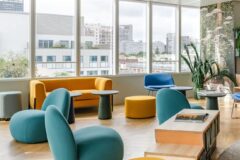
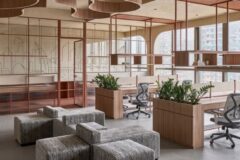
A step toward a sustainable future - Creating innovative solutions for a greener world.
In the design landscape, eco-sustainability has taken a center stage, transforming not only our esthetic view of spaces, but also our responsibility to the environment. Eco-sustainable furniture, with its fusion of form and function, is emerging as a key player in the evolution of environments that reflect not only aesthetic taste but also a tangible commitment to the health of our planet.
In this article, we will explore the shades of sustainable design, focusing the lens on how collective spaces and offices are embracing an eco-friendly approach to create a harmonious balance between style and environmental responsibility.


Where innovation meets sustainability: designing eco-friendly offices and spaces.
In a world that is increasingly oriented toward sustainability, the design of offices and collective spaces is facing a transformation. An eco-friendly approach is no longer an option, but rather a fundamental guiding principle in creating innovative and conscious work environments.
Here are some key elements of sustainable design:
- Sustainable materials: Materials from sustainable, recyclable, or recycled sources are preferred. For example, wood from forests with controlled logging and recyclable materials such as steel and plastic.
- Flexible and modular design: Environmentally sustainable furniture often incorporates flexible and modular design elements, allowing spaces to be efficiently repurposed, reducing the need for new purchases when needs change.
- Networking and smart technology: The use of smart technology can contribute to better space management, resource optimization, and monitoring of energy use.
- Recycling and responsible disposal: Environmentally sustainable furniture should be designed with its entire life cycle in mind. This includes ease of recycling or responsible disposal of materials when the product reaches the end of its life.
- Involvement and Awareness: Creating sustainable spaces is not only limited to furnishings, but also involves people. Promoting environmental awareness and education among the occupants of spaces can contribute to a sustainable culture.
Designing offices or community spaces in an environmentally sustainable manner demonstrates a commitment to sustainability, but also creates a modern and responsible environment, enhancing corporate reputation and employee satisfaction.

Furnishing with sustainability: Future ecological design.
Interest in a sustainable lifestyle is spreading rapidly in many spheres of our daily lives. One of the areas where we can make improvements is in the furnishing of the spaces we occupy.
Let’s discover some of the solutions that can guide us toward a more sustainable and harmonious future.
- Eco-friendly films and coatings: Eco-friendly films and coatings represent a significant step toward environmental sustainability within coating technologies. These innovative materials are designed with a focus on ecological impact, minimizing the use of harmful substances and promoting sustainability throughout the product life cycle. They not only respond to growing environmental awareness, but also demonstrate that it is possible to reconcile technological innovation with environmental responsibility. In addition, these coatings films allow furniture to be given a second life, thus helping to reduce our overall environmental impact and promote a more sustainable lifestyle for future generations.
- Eco-friendly furniture as a responsible choice: The concept of sustainable furniture represents a revolution in interior design, where environmental awareness blends harmoniously with aesthetics and functionality. This innovative perspective is expressed using eco-friendly materials, such as FSC-certified woods or fabrics made from organic fibers. Sustainable design is not limited to the creation of aesthetically pleasing objects, but extends to durable, modular and adaptable pieces of furniture designed to withstand the passage of time. This new design philosophy challenges the concept of “disposable,” proposing a circular approach that values durability, reparability, and recyclability.
- Stabilized green walls: Stabilized green walls, consisting of natural plants treated to require little or almost no maintenance, add a living component to indoor spaces. These walls contribute to CO2 absorption and oxygen emission, improving indoor air quality. In addition to environmental benefits, stabilized green walls offer a distinctive aesthetic element. The presence of vegetation can improve emotional well-being and connection with nature within spaces. In addition, green walls can also act as acoustic insulators, reducing noise levels within spaces.


In conclusion, sustainability is no longer an option, but an imperative necessity that drives the direction of our world. The interconnection between creativity and environmental responsibility is strengthening, shaping the way we conceive the spaces and places we inhabit. From the use of recycled and low-impact materials to the design of spaces that promotes human well-being, sustainable design stands as a beacon of hope in the global challenge to preserve our planet.
The future of design is undoubtedly sustainable, imbued with an awareness that goes beyond the surface of things.
Planurban, with a sincere commitment to environmental sustainability, has embraced this philosophy by carefully selecting sustainable furniture.